Mokuhanga (Japanese Woodblock Printmaking)

Moku – wood   Hanga – printmaking

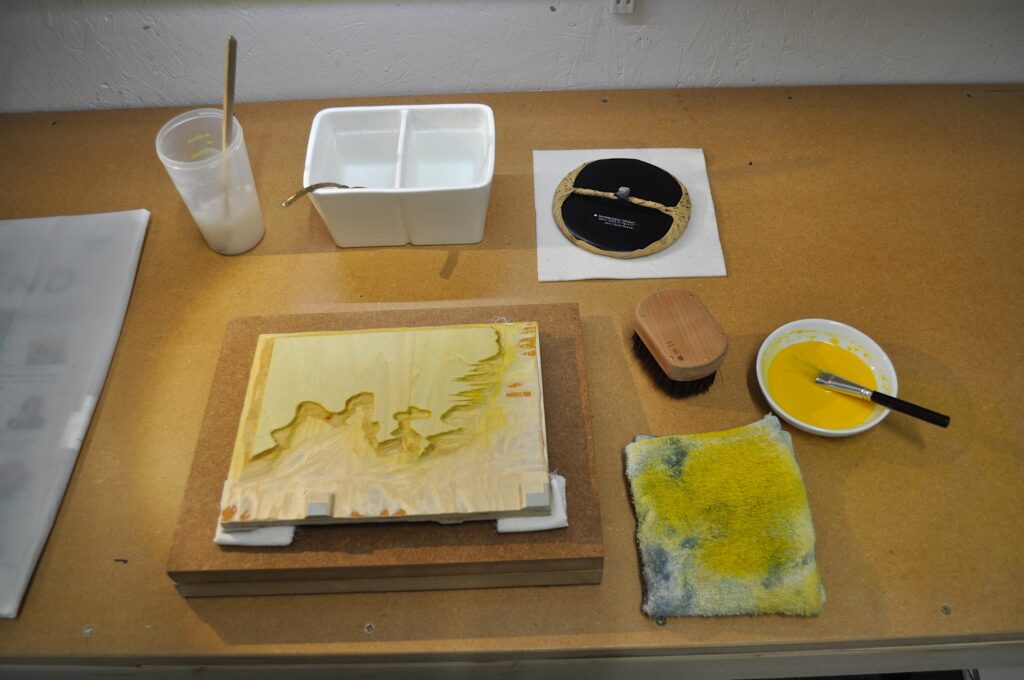
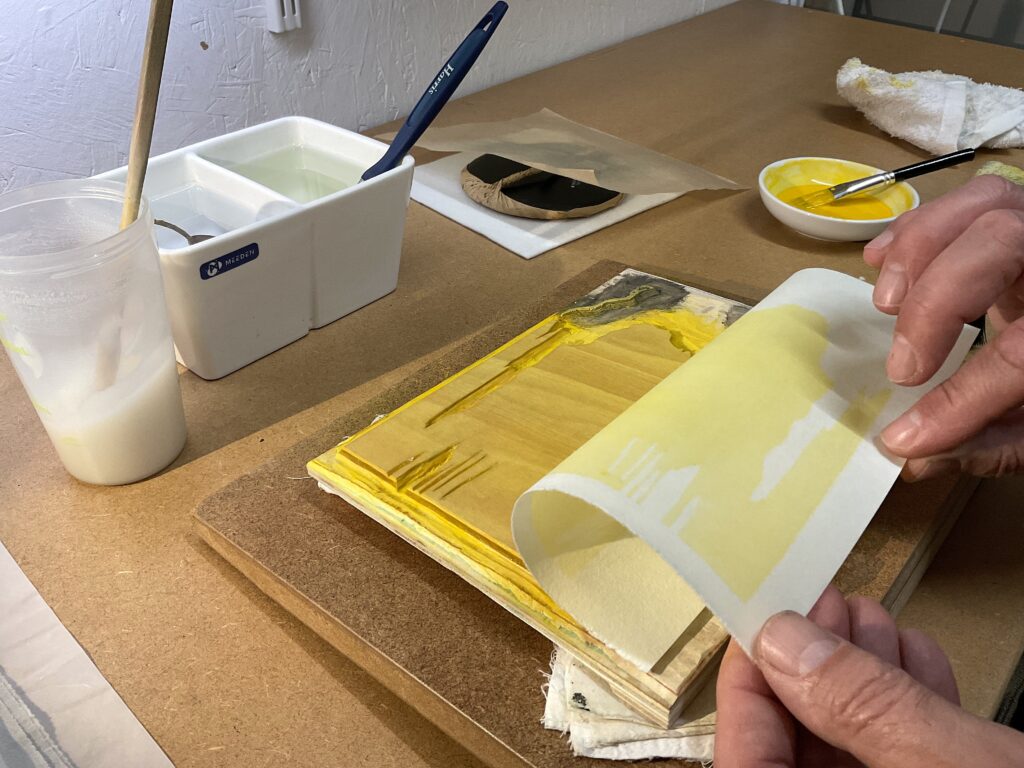
Mokuhanga is the traditional Japanese technique of water-based woodblock printing. It is known for its luminous colours, hand-printed textures, and its deep connection to natural materials, including wood, water, pigment, and paper. Unlike Western woodblock printing, which often uses oil-based inks and a press, Mokuhanga is printed entirely by hand using water based pigments such as watercolour paint and sumi-e (black ink), mixed with nori paste (a traditional adhesive made from boiled rice flour). The process of hand printing uses a hand-held baren to burnish the back of the damp paper. This allows for subtle layers, soft blends (bokashi), and a distinct tactile quality. The mixture of pigment, water, and nori creates the characteristic transparency and softness of Mokuhanga.


Carving the Woodblock


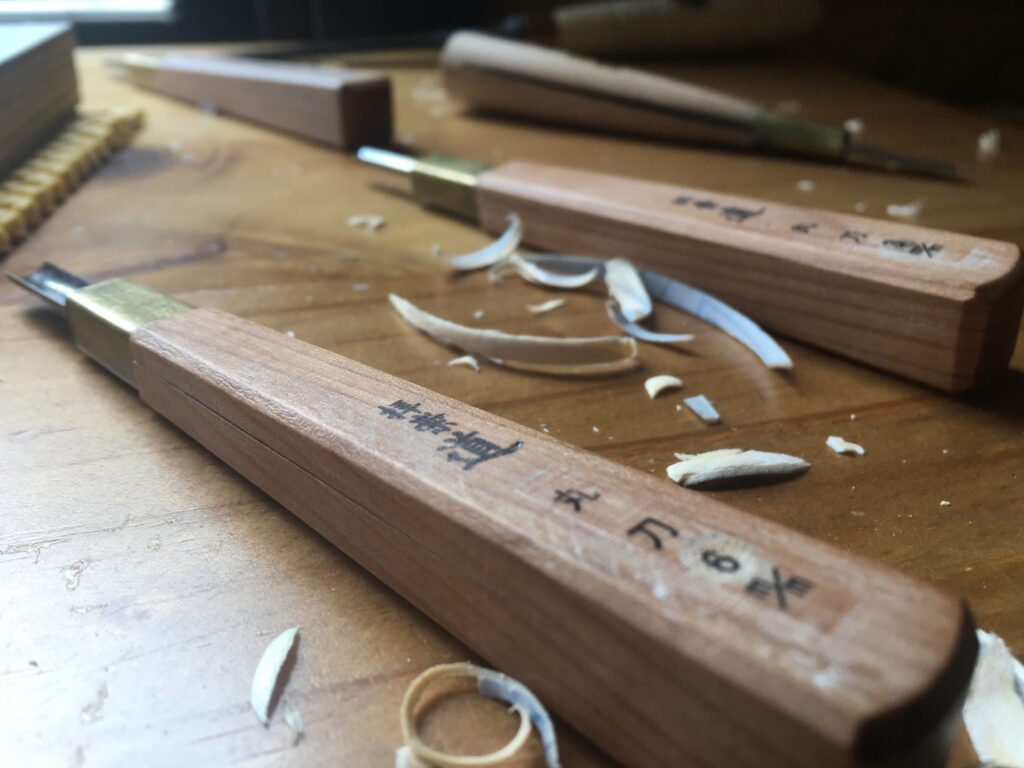
My woodblocks are carved from Shina plywood, a fine-grained Japanese wood ideal for detailed carving. Because the printing process is wet, the blocks must remain stable; for durability, I personally laminate the carved sheets onto thicker plywood. Carving is achieved with specialist Japanese tools, including: U-gouges, V-gouges, Hangito (knife), Marunomi chisels.

Each tool creates different textures and lines that contribute to the character of the final print. Accurate alignment is achieved by carving a kento registration notch into each block. This ensures each colour layer prints exactly where intended, an essential part of multi-block Mokuhanga work.


Printing


The prints are produced on washi, traditional handmade Japanese paper, usually lightly sized to control the way pigment absorbs into the fibres. Washi provides exceptional strength when damp and allows for the delicate transparency typical of Mokuhanga. Each print undergoes multiple stages, often involving several carved blocks and many layers of colour, which depends on the depth of colour or subtle transparency of layers.

Historical Background


Mokuhanga has a long and rich history in Japan. Key movements and artists include:

Ukiyo-e

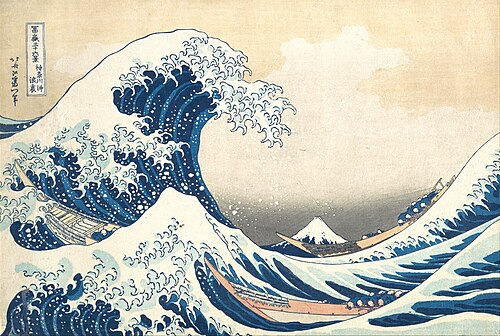
The iconic Edo-period prints depicting landscapes, kabuki actors, and everyday life.
Notable artist: Katsushika Hokusai

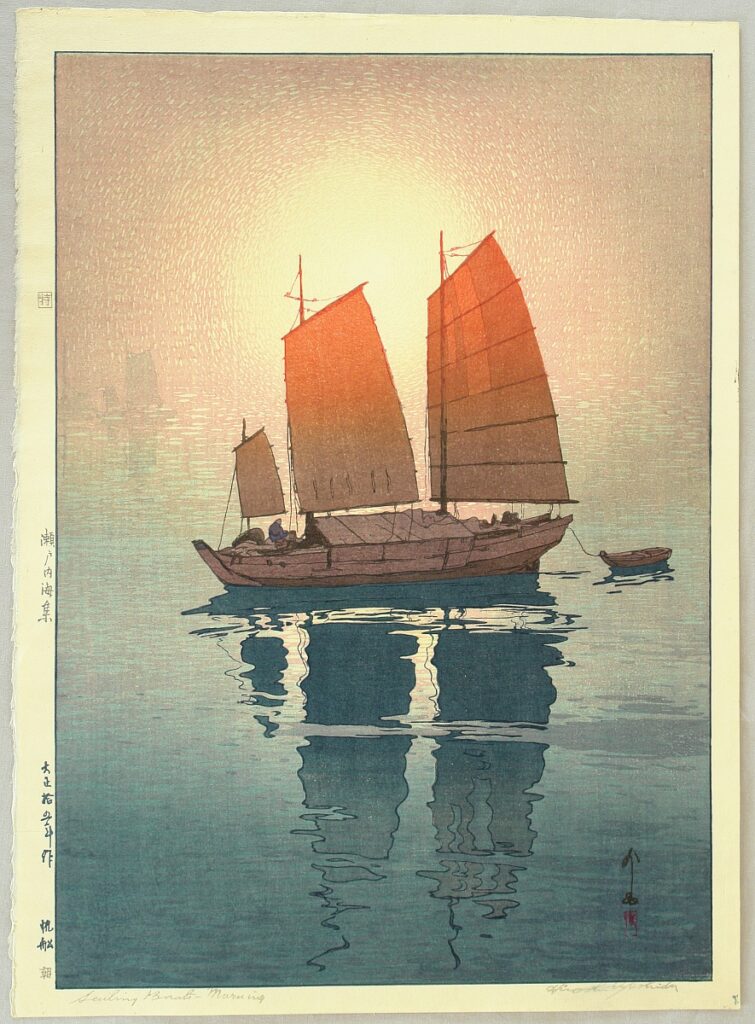
Shin-hanga (1900s–1950s)

A revival movement combining traditional carving and printing with modern drawing and Western-influenced light effects.
Notable artist: Hiroshi Yoshida

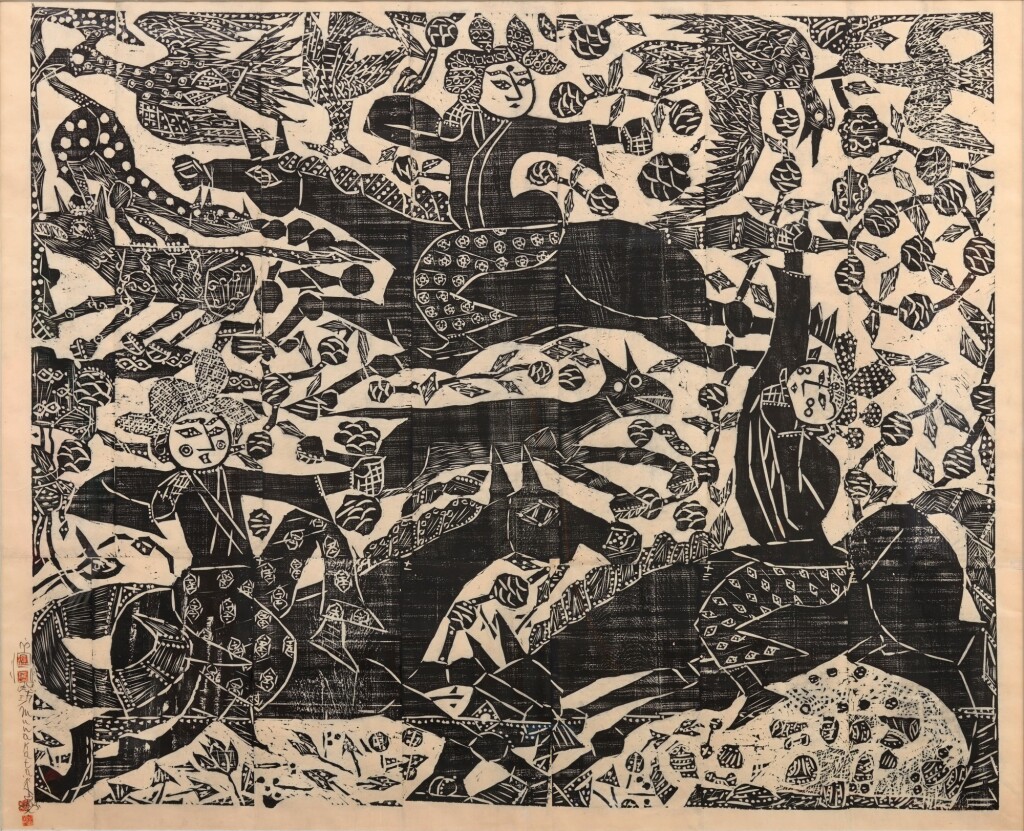
Sōsaku Hanga (Creative Print Movement)

Beginning in the early 20th century, this movement emphasised the artist as sole creator—designing, carving, and printing their own work.
Notable artist: Shikō Munakata

My Practice


My work follows the principles of sōsaku hanga, where I carry out every stage of the process in my studio in Winchester, Hampshire. This full involvement gives each print its individuality and ensures that every edition is a true expression of the handmade process.